Understanding Garage Door Opener Cables and Their Role
The garage door opener cable is a crucial part of your garage door system. It works alongside the cable drum, pulley system, and cable guides to lift and lower the door smoothly. Proper cable length, correct tension, and secure anchoring are essential to ensure safe and balanced door operation. The cable grip and brackets hold the cable firmly in place, preventing slippage and wear. Over time, cable wear from friction, weather exposure, and repetitive use can affect performance and safety.
These cables indirectly work with other components such as the torsion springs or extension springs, which provide the necessary counterbalance force for the door’s weight. The opener assembly uses a gear mechanism connected with the opener chain or belt drive to pull the door open or closed, relying heavily on correctly functioning cables.
Types of Garage Door Cables and Related Components
Garage door cables come in different types depending on the spring system used:
- Torsion Spring Cables: These cables work with torsion springs mounted above the door opening to counterbalance the door’s weight. Extension Spring Safety Cables: Installed inside or alongside extension springs, these safety cables prevent spring parts or cables from whipping dangerously if they snap.
Other related components include the opener chain or belt drive, opener motor unit, cable drums, cable anchors, and cable clips — all vital in keeping the door balanced and operating securely.
Our Sponsor
A1 Garage Doors Gold Coast
A1 Garage Doors Gold Coast is a Bundall-based garage door specialist serving the southern Gold Coast and surrounding suburbs with installation, repair, maintenance, and emergency garage door services. The company specializes in sectional doors, roller doors, garage door openers, spring and cable replacement, opener motor repair, smart-enabled installations, and 24/7 emergency call-outs across Robina, Burleigh Heads, Surfers Paradise, Nerang, Coomera, and the wider Gold Coast region.
Address:
1 Waterford Court,
Bundall,
QLD
4217,
Australia
Phone: (07) 5515 0277
Business Hours:
- Open 24/7 — Including After-Hours and Emergency Call-Outs
Follow Us:
Common Causes of Garage Door Opener Cable Damage
Several issues can lead to damage or failure of garage door opener cables. Cable fraying, often resulting from long-term wear or rubbing against rough surfaces, is one of the earliest signs of cable problems. In more severe cases, cables can snap completely, causing the door to become unbalanced and potentially dangerous.
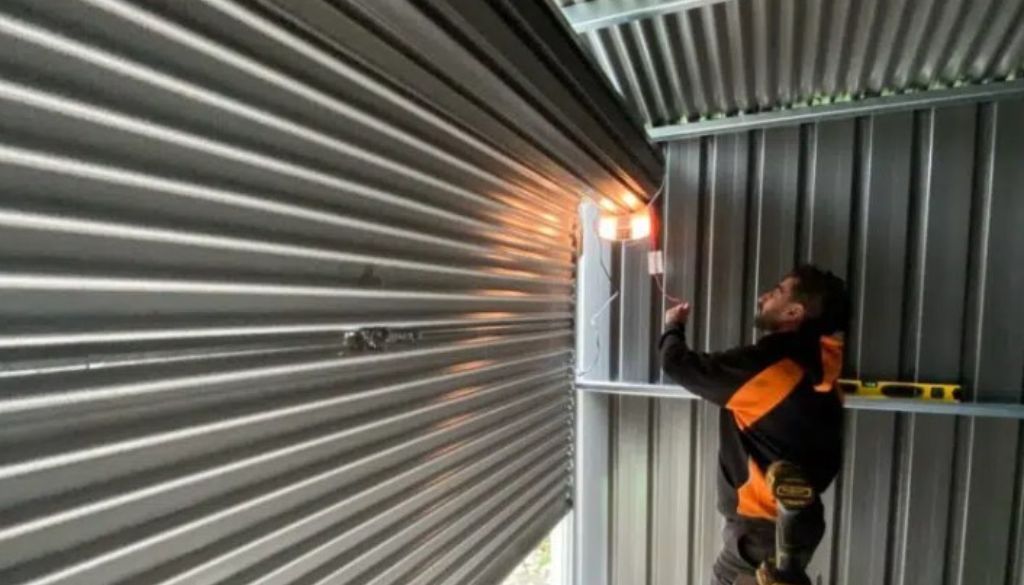
Drum winding issues or improper cable tension can cause uneven door movement or excessive wear on the cable. Misalignment of the cable or its guides, faulty opener motor units, worn roller wheels, and poorly aligned garage door tracks may also contribute to cable stress and eventual failure. Sometimes, damage to door panels or hinges indirectly affects cable performance by causing uneven door operation.
How to Diagnose Problems with Your Garage Door Opener Cable
Identifying issues early can prevent costly repairs or accidents. Look out for signs such as visible cable fraying or broken strands. Listen for abnormal noises like grinding, snapping, or squeaking while the door operates, which often indicate cable or pulley problems.
Observe whether the door moves unevenly or becomes imbalanced, indicating potential cable tension or alignment issues. Checking the emergency release mechanism ensures that cables aren’t jammed or stuck. Additionally, verify sensor alignment surfers paradise belt-drive openers and inspect door rollers for smooth operation, as failures here may mimic cable problems.
Step-by-Step Garage Door Opener Cable Repair Guide
Repairing garage door opener cables involves precise steps and adherence to safety protocols. Below is a detailed process outline:
- Safety Precautions: Disconnect power to the opener, wear protective gloves and eyewear, and ensure the door is fully lowered and secured. Tools Needed: Pliers, winding bars (for springs), socket set, adjustable wrench, replacement cables, cable clips, and lubricant. Cable Replacement Process: Release tension from springs carefully using winding bars, remove old cables from cable drums and anchors, install new cables ensuring correct length and secure anchoring. Pulley System Adjustment: Inspect and adjust pulleys and cable guides for smooth movement without binding. Drum Winding Techniques: Wind cables onto the drum properly, maintaining even tension and correct alignment. Cable Tension Adjustment: Ensure cables have balanced tension to avoid door imbalance or strain on the opener motor. Spring Adjustment Basics: If applicable, adjust torsion or extension springs to complement the new cables and maintain door balance. Manual Override Use: Test the manual release to confirm smooth disconnect and reconnect functions.
Safety Tips During Cable Repair
- Safety Cable Importance: Always check or replace the safety cable on extension springs to prevent injury. Emergency Release Handling: Treat emergency release cords with care to avoid unexpected door drops. Avoiding Cable Snapping: Use proper tools and methods when adjusting cable tension and spring winding to prevent sudden snapping. Wearing Protective Gear: Gloves and eye protection are essential to protect against sharp cable ends and spring tension hazards.
Maintaining Garage Door Cables to Prevent Future Issues
Regular maintenance prolongs cable life and ensures reliable garage door operation. Lubricate moving parts including cables, pulleys, and rollers with recommended garage door lubricants every few months. Inspect cables for signs of wear at least twice a year, especially before heavy usage seasons.
Maintain balance by periodically checking door weight distribution and adjusting springs accordingly. Keep opener chains or belts clean and lubricated to reduce strain on cables. Ensure door seals and insulation do not interfere with door travel, and regularly examine track alignment to avoid cable misguidance.
When to Call a Professional for Cable Repair
While many homeowners can perform minor inspections, certain situations necessitate expert intervention. If you notice extensive cable fraying, snapped cables, or difficulty balancing the door despite adjustments, it's safest to call a professional. Attempting DIY repairs on high-tension springs or complex opener assemblies carries serious injury risks.
Professional services offer precise cable tensioning, spring adjustment, and replacement using specialised tools and parts. They also uphold warranty conditions and guarantee repair quality. When the garage door opener motor unit or sensors show faults along with cable issues, expert diagnosis ensures comprehensive fixes.
Frequently Asked Questions about Garage Door Opener Cable Repair
How long do garage door cables last?
Typically, garage door cables last about 10-15 years with proper maintenance, but factors like weather, frequency of use, and door weight affect longevity.
Can I replace garage door cables myself?
DIY replacement is possible for experienced individuals familiar with spring tension handling, but caution and correct tools are imperative. Otherwise, professional repair is recommended.
What happens if the cable breaks during operation?
If a cable snaps, the door can become unbalanced and may fall suddenly, posing injury risks. Immediate repair is essential, and the door should not be operated until fixed.
How much does professional cable repair cost?
Costs vary depending on door type and extent of damage but typically range from $150 to $350 AUD for cable replacement including labour.
How to prevent garage door cable snapping?
Regular inspection, lubrication, maintaining proper tension, and prompt replacement of worn parts help prevent cable snapping.
Is it safe to use the door after a cable has snapped?
No. Using the door with a snapped cable is dangerous and can cause further damage or injury. Repairs should be done before further use.
In conclusion, garage door opener cable repair is a manageable task with the right knowledge and tools but requires careful attention to safety and detail. Whether you choose to tackle minor repairs yourself or entrust experts, regular maintenance and timely diagnosis keep your garage door functioning reliably. If you experience severe damage or are unsure of repair procedures, don’t hesitate to contact a qualified professional to ensure safety and optimal performance.